

There’s a moment that tends to come quietly.
Not dramatic. Not cinematic. Just… quiet.
It’s when someone, after trying medication after medication, or therapy after therapy, starts typing something different into Google. Not “why am I anxious” anymore. Not even “how to feel better.”
But something more practical. Almost tired.
“ketamine therapy cost in Chicago.”
And beneath that question, there’s usually another one. Softer. Harder to admit.
Is this finally something that might work?
What Ketamine Therapy Cost Really Looks Like
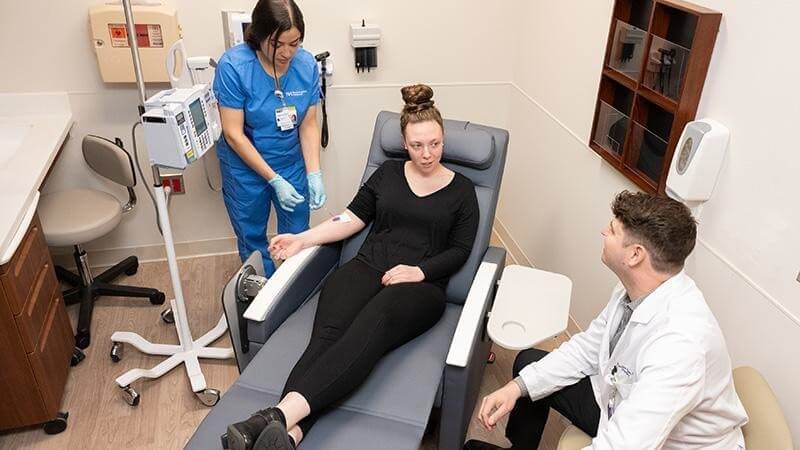
The thing about the cost of ketamine therapy is that it rarely comes with a clean, satisfying answer.
Not because clinics are hiding something. But because the treatment itself doesn’t follow a neat template.
In Chicago, most patients eventually find themselves looking at a range. A real one. Not the vague kind.
Somewhere between $400 and $800 per session.
And then, slowly, the math starts forming in the background. A typical initial series often includes six sessions. Sometimes more, sometimes fewer. It depends. That phrase shows up a lot in this space.
So yes, when someone asks about ketamine therapy in Chicago, what they’re really asking is:
What will this mean for me, specifically?
Because two people can walk into the same clinic and walk out with very different plans. Different needs. Different timelines.
That variability can feel frustrating at first. But it’s also… kind of the point.

Why the Price Isn’t Just About the Infusion
There’s a temptation to compare it to something simpler.
A standard IV drip. A quick treatment. In and out.
But ketamine therapy doesn’t quite work that way.
There’s the medical screening. Careful, sometimes surprisingly thorough. Not everyone qualifies, and that’s intentional.
Then the infusion itself. Monitored. Adjusted and observed in real time.
And afterward… the part people don’t always expect. Integration. Reflection. Follow-up. The quieter work that happens once the session ends.
So the cost isn’t just about the medication entering the bloodstream.
It’s about the structure around it. The safety. The precision.
And maybe, in a less tangible way, the experience of being taken seriously after a long stretch of not feeling that.
Who Is a Good Candidate for Ketamine Therapy?

This question tends to sit quietly behind the cost conversation.
Because price only matters if the treatment actually fits.
So… who is a good candidate for ketamine therapy?
Usually, it’s someone who has already tried the expected routes. Antidepressants that helped a little, or not at all. Therapy that offered insight, but not relief. Effort, consistently applied, without the shift they were hoping for.
Treatment-resistant depression often comes up here. So does PTSD. Severe anxiety. Chronic pain that has settled into the body in a way that feels stubborn, almost permanent.
But it’s not just about diagnosis.
It’s about readiness, too.
Not everyone is looking for something that works differently. Some still want to stay within the familiar, even if it’s frustrating. And that’s okay.
On the other hand, the people who tend to benefit most are often the ones who have reached a kind of quiet openness. Not desperation exactly. But a willingness to try something outside the usual script.
There are also clear situations where ketamine therapy may not be appropriate. Certain medical conditions. Specific psychiatric histories. This is why credible clinics lean heavily on screening instead of quick approvals.
It’s less about selling a treatment.
More about matching it carefully

A Small Detour: NAD+ Infusion Therapy

Somewhere along the way, another term tends to appear during research:
nad+ infusion therapy.
At first glance, it feels like it belongs to a different conversation. More wellness-focused. Less clinical.
But the overlap is real.
NAD+ is a coenzyme involved in cellular energy. Which sounds technical. Because it is. But in simpler terms, it plays a role in how the body repairs itself, how the brain maintains clarity, how fatigue either lifts… or lingers.
People exploring ketamine therapy sometimes come across NAD+ as a complementary option. Not a replacement. Not a shortcut.
More like support.
Especially in cases involving burnout, brain fog, or recovery from long-term stress. Occasionally, even in addiction treatment contexts, rebuilding neurological balance becomes part of the process.
It doesn’t carry the same intensity or expectation as ketamine therapy.
But it fills in some of the quieter gaps.
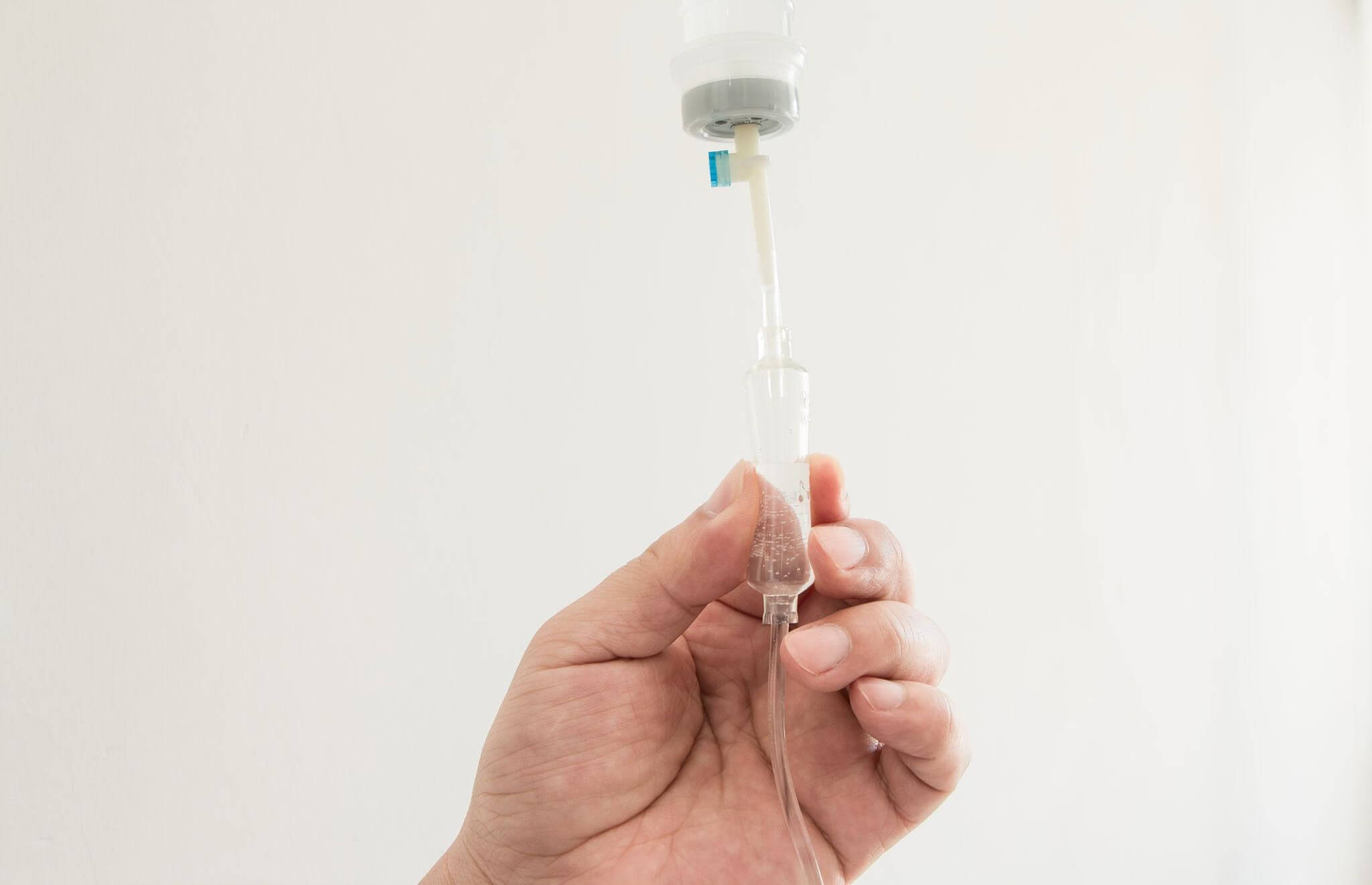
Is Ketamine Therapy Worth the Cost?
This is the part where most articles try to conclude cleanly.
A neat answer. A confident yes or no.
But that’s not really how this decision works.
For some, the cost feels heavy. And it is. There’s no way around that.
But for others, especially those who have spent years cycling through partial solutions, the comparison shifts. It’s no longer about a single price tag. It becomes about accumulated time. Energy. Missed days. Lingering symptoms.
There’s also something harder to measure.
The possibility of relief that arrives faster than expected. Sometimes, within hours or days, rather than weeks. That alone can change how someone evaluates the cost.
Still, it’s not universal.
Not everyone responds the same way. Not every experience is transformative. And responsible clinics tend to be clear about that, even when it’s not the easiest message to communicate.
So the better question might not be:
Is it worth it?
But rather:
Is this the right next step, given everything that has already been tried?

A Final Thought That Usually Comes Late
By the time someone seriously considers ketamine therapy, they’ve usually done a lot already.
More than most people around them realize.
So when the topic of ketamine therapy cost comes up, it’s rarely just financial. It’s layered. Emotionally, in a quiet, practical way.
Part hope. Part caution.
And maybe a small, steady curiosity about whether something different could finally shift things.
For those still exploring, it often helps to move away from averages and generalizations.
A proper evaluation tends to answer more in one conversation than hours of searching ever could.
Not because it promises certainty.
But because it brings the question back to where it belongs.
The individual.

If you’re at that point where questions are starting to feel heavier than answers, it might help to talk it through with someone who actually understands this space. A simple, no-pressure conversation can often bring more clarity than hours of research.
Take the next step here: Contact